
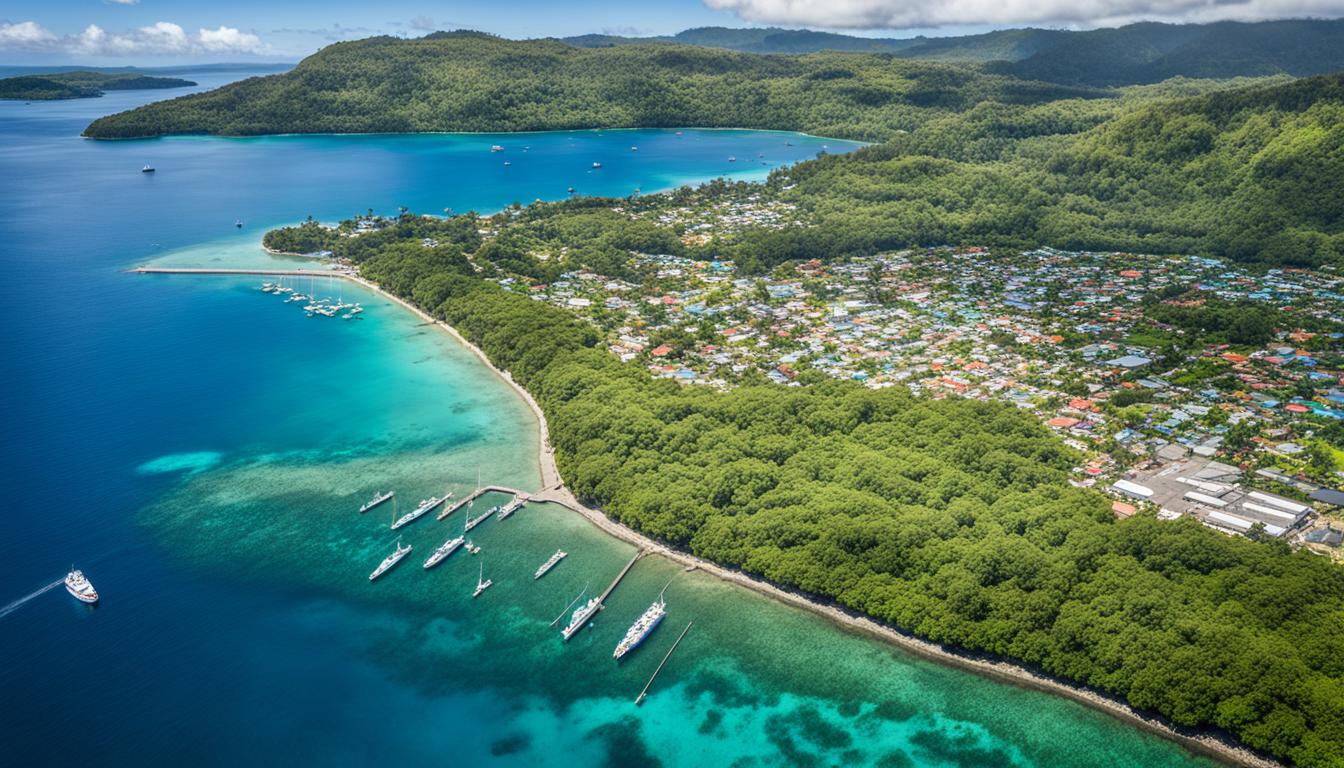
Did you know that Vanuatu, a small island nation in the South Pacific, faces an average of 2.5 natural disasters per year? This remote archipelago, home to over 300,000 people, is one of the most disaster-prone countries in the world, grappling with a constant barrage of cyclones, earthquakes, and volcanic eruptions. Yet, through a remarkable partnership between the World Bank and the Vanuatu government, this nation is emerging as a global leader in building resilience to climate change and natural hazards.
Over the course of 10 years of collaboration, the World Bank has supported Vanuatu’s efforts to strengthen its skills and institutions to confront the many natural disasters the country faces. This partnership has been instrumental in helping Vanuatu, one of the world’s most climate-vulnerable countries, develop innovative solutions that could serve as a model for other small island states grappling with the worsening impacts of climate change.
Key Takeaways
- Vanuatu faces an average of 2.5 natural disasters per year, making it one of the most disaster-prone countries in the world.
- The World Bank has partnered with the Vanuatu government for 10 years to help build the country’s resilience to natural hazards.
- This collaboration has led to innovative solutions that could serve as a model for other small island states facing the impacts of climate change.
- Vanuatu’s efforts to strengthen its skills and institutions in disaster response and recovery are crucial for its long-term resilience.
- The success of the World Bank-Vanuatu partnership highlights the importance of international cooperation in addressing the challenges posed by natural disasters and climate change.
Vanuatu’s Vulnerability to Natural Hazards
Vanuatu, a remote Pacific island nation, is renowned for its natural beauty, but it also faces a daunting challenge – it has the world’s highest disaster risk. The capital city, Port Vila, is ranked as the world’s most exposed city to natural hazards, including cyclones, earthquakes, and volcanic eruptions. This vulnerability is exacerbated by the rapid urbanization and growth of informal settlements across the country.
Exposure to Cyclones, Earthquakes, and Volcanic Eruptions
Vanuatu’s location in the Pacific “Ring of Fire” puts it in the path of some of the most powerful natural disasters. Cyclones regularly sweep through the region, bringing destructive winds, heavy rains, and flooding that can devastate communities. The country also sits atop tectonic fault lines, making it susceptible to powerful earthquakes that can trigger landslides and tsunamis. Additionally, Vanuatu is home to numerous active volcanoes, which pose a constant threat to nearby populations.
Rapid Urbanization and Growth of Informal Settlements
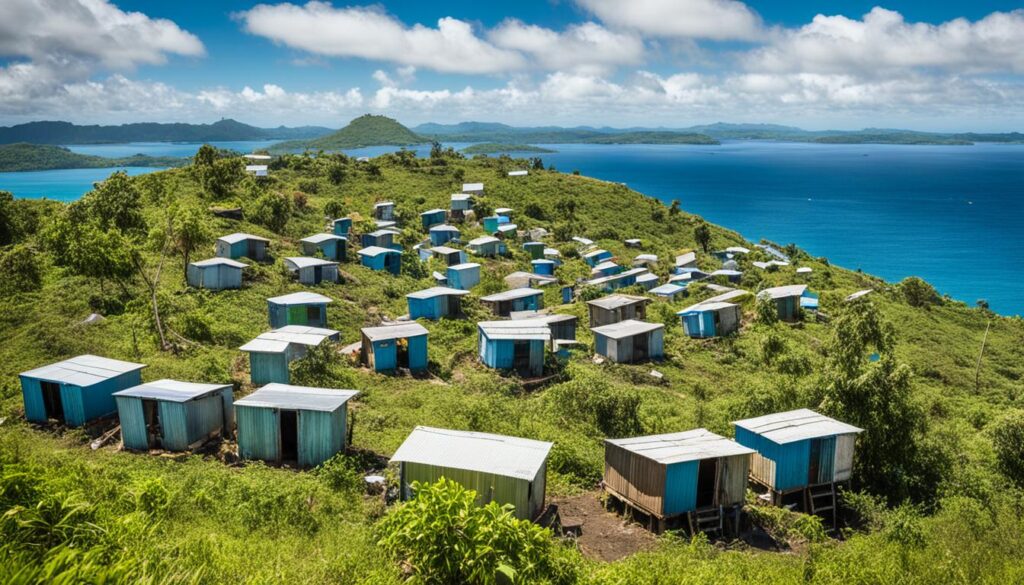
As Vanuatu’s population continues to grow, an increasing number of people are migrating to the urban centers, particularly Port Vila. This rapid urbanization has led to the proliferation of informal settlements, where residents often live in poorly constructed housing with limited access to essential services. These informal settlements are particularly vulnerable to the impacts of natural hazards, as they are commonly located in high-risk areas and lack the necessary infrastructure to withstand the effects of cyclones, earthquakes, and volcanic eruptions.
Strengthening Disaster Resilience Efforts
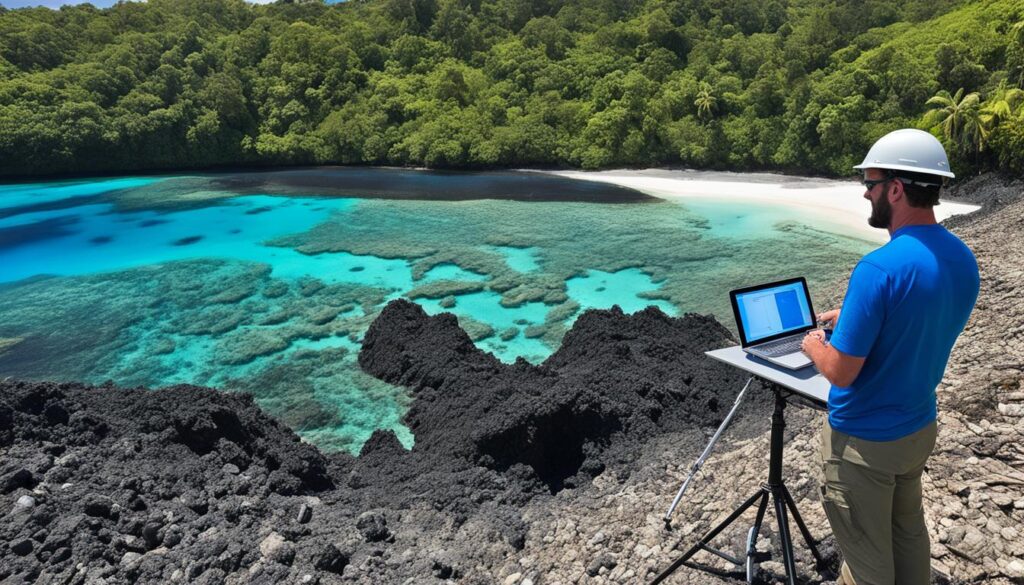
Vanuatu is taking proactive steps to bolster its disaster resilience. The World Bank has collaborated extensively with the Vanuatu government to enhance the country’s geohazard monitoring and early warning systems. By improving the seismic monitoring network and linking it to a national multi-hazard warning center, Vanuatu has become a leader in geohazard monitoring in the Pacific region.
Geohazard Monitoring and Early Warning Systems
The World Bank’s support has been crucial in strengthening Vanuatu’s ability to detect and respond to natural disasters. Through strategic investments, the country has built a robust seismic monitoring infrastructure that enables early detection of earthquakes, volcanic eruptions, and other geohazards. This comprehensive early warning system enhances the nation’s disaster resilience and helps communities prepare for and mitigate the impact of these events.
Infrastructure Reconstruction and Resilient Building
In addition to enhancing geohazard monitoring, the World Bank has committed $50 million to support infrastructure reconstruction and resilient building in Vanuatu. This funding has been used to rebuild and repair roads, reconstruct 42 schools and 26 buildings across 20 islands, creating stronger, more climate-resilient community infrastructure. By prioritizing resilient construction techniques and materials, Vanuatu is better equipped to withstand future natural disasters and protect its people and critical assets.
Vanuatu: Pacific Disaster Resilience Port Vila Vanuatu
Vanuatu, a nation in the Pacific islands, has emerged as a leader in disaster resilience efforts. Through its collaboration with the World Bank, the country has built upon its geohazard monitoring work initiated in 1997. This partnership has enabled Vanuatu to strengthen its capacity to prepare for and respond to the growing challenges posed by climate change.
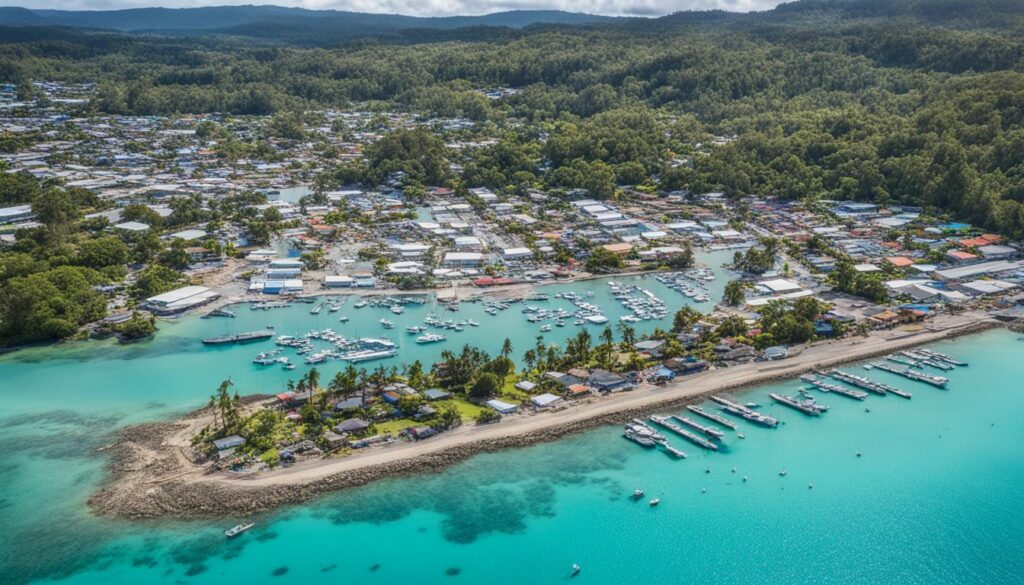
Port Vila, the capital city of Vanuatu, has been at the forefront of this disaster resilience initiative. By leveraging the expertise and resources of the World Bank, Vanuatu has developed robust early warning systems and implemented infrastructure reconstruction projects that prioritize resilience. These efforts have helped the country become better equipped to withstand the impact of natural hazards, such as cyclones, earthquakes, and volcanic eruptions, that are prevalent in the Pacific region.
Vanuatu’s success in disaster resilience can serve as a model for other small island states facing similar challenges. By fostering international partnerships and investing in disaster risk management, Vanuatu has demonstrated its commitment to building a more resilient future for its people and the broader Pacific island community.
Partnerships for Disaster Risk Management
Vanuatu’s efforts to enhance disaster resilience have been bolstered by strategic partnerships, particularly with the World Bank. The international financial institution has collaborated extensively with the Vanuatu government since the 1980s, with a strong focus on disaster risk management in recent years.
World Bank’s Collaboration with Vanuatu Government
The World Bank’s work in Vanuatu has involved building the country’s skills and institutions to better prepare for and respond to natural hazards. This includes supporting the development of geohazard monitoring and early warning systems, as well as infrastructure reconstruction and resilient building following major disasters, such as Tropical Cyclone Pam in 2015.
Through these partnerships, the World Bank and the Vanuatu government have been working to strengthen the country’s overall disaster risk management capabilities. By combining global expertise with local knowledge, they aim to safeguard Vanuatu’s communities and critical assets from the devastating impacts of natural disasters.
Empowering Local Experts and Communities
Vanuatu’s resilience against natural disasters is bolstered by the expertise and community engagement fostered by the World Bank’s collaborative efforts. Local experts like Dr. Esline Garaebiti, the Director General of Vanuatu’s Ministry of Climate Change, and Tevi Obed, the World Bank’s Senior Disaster Risk Management Specialist in Vanuatu, have been instrumental in strengthening the country’s disaster risk reduction strategies.
By leveraging their deep understanding of the local context and long-standing relationships with communities, these local experts have played a pivotal role in tailoring disaster resilience initiatives to the unique needs of Vanuatu. Their contributions have been crucial in designing effective early warning systems, implementing infrastructure reconstruction projects, and empowering communities to take an active role in preparedness and response efforts.
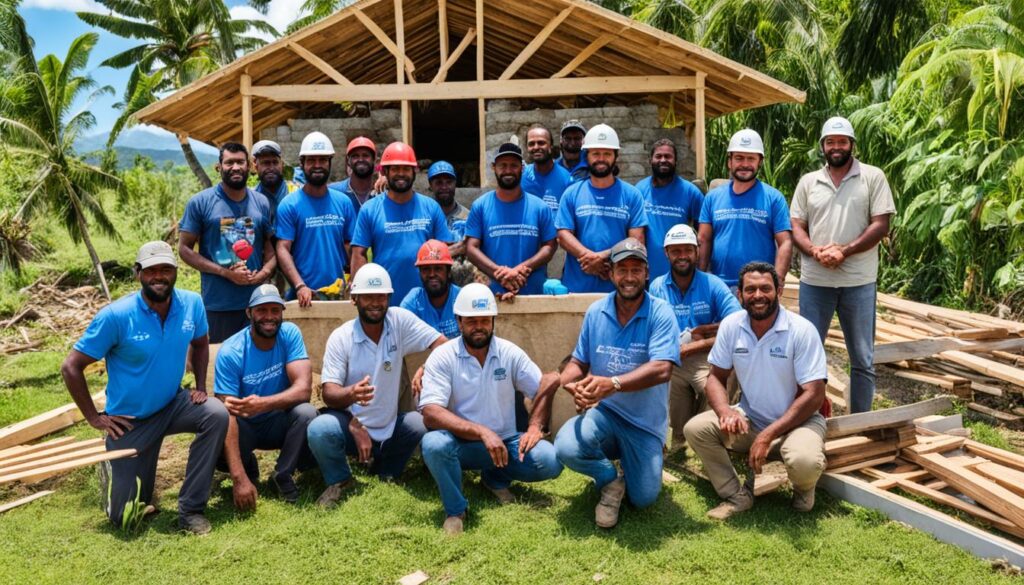
The World Bank’s partnership with Vanuatu’s government has also facilitated the meaningful engagement of local communities in disaster risk management. By fostering two-way communication and incorporating community-based knowledge, the resilience efforts have become more inclusive and responsive to the needs of the people. This collaborative approach has enabled communities to take ownership of their disaster preparedness and mitigation strategies, ensuring the long-term sustainability of Vanuatu’s disaster resilience efforts.
Challenges of Land Tenure and Housing Quality
In Vanuatu, an estimated 4% of the population live with informal land tenure arrangements, with those residing in informal settlements being disproportionately affected. This lack of secure land tenure poses a significant challenge, as it discourages households from investing in the construction of permanent housing structures. Homeowners fear that if a land dispute arises, they may not be able to recover the costs they’ve incurred, leading to a reluctance to build durable, disaster-resilient homes.
Tenure Insecurity and Disincentives for Permanent Housing
The prevalence of informal settlements in Vanuatu is closely tied to the issue of land tenure insecurity. Residents living in these informal areas often lack the legal documentation or formal recognition of their land rights, making them vulnerable to potential eviction or displacement. This tenure insecurity creates a disincentive for these households to invest in the construction of permanent, high-quality housing structures that can withstand natural disasters.
The lack of secure land tenure not only impacts housing quality but also hinders the overall disaster resilience of communities in Vanuatu. Without the confidence that they can safely remain on the land and reap the benefits of their investments, many residents are hesitant to build homes that can better withstand the frequent natural hazards that threaten the region.
Displacement Patterns and Impacts
When natural disasters strike Vanuatu, the impact on the local population can be significant. In the aftermath of these events, many residents of Port Vila seek shelter in more permanent structures, such as churches, schools, or the homes of their more fortunate neighbors. Less than 13% of those displaced opt for official evacuation centers, underscoring the critical role that family and friends play in providing shelter and support during these challenging times.
Reliance on Host Families and Limited Assistance
The reliance on host families is a testament to the strength of Vanuatu’s community spirit, but it also highlights the limited availability of humanitarian assistance during disaster displacement. With government and non-governmental organizations struggling to meet the needs of the affected population, the burden often falls on these generous host families, who open their doors to their neighbors in times of crisis. This increased strain on host families can have lasting consequences, both financially and emotionally, as they work to accommodate and support the displaced individuals and families in their care.
The lack of adequate humanitarian assistance in the aftermath of disasters in Vanuatu is a significant concern, as it can exacerbate the already challenging situation faced by those who have been displaced. Without access to the necessary resources and support, these individuals and families may find it increasingly difficult to rebuild their lives and recover from the devastating impacts of the disaster.
Livelihood Disruptions and Food Security Concerns
Natural disasters in Vanuatu not only displace residents but also disrupt their livelihoods, posing serious threats to food security. Recurrent cyclones, earthquakes, and volcanic eruptions have a profound impact on the island nation’s economy, with a majority of respondents reporting negative effects on their income following the latest displacement.
Those who rely on agriculture for their livelihoods face an especially precarious situation, as their gardens and crops are often destroyed by the disasters. Without immediate support, they struggle to sustain themselves until the next harvest, leaving them vulnerable to food insecurity. This not only undermines their ability to recover but also diminishes their prospects for saving and preparing for future catastrophes.
The disruption to livelihoods and food security poses a significant challenge for Vanuatu’s disaster resilience efforts. Addressing the needs of those whose incomes and food sources have been impacted is crucial for rebuilding and strengthening the community’s ability to withstand and recover from natural hazards. Targeted assistance and long-term solutions are necessary to help Vanuatu’s residents regain their footing and secure their livelihoods and food security in the face of disaster impacts.
Conclusion
Vanuatu’s collaborative efforts with the World Bank have positioned the country as a regional leader in disaster risk management. By building robust early warning systems, reconstructing resilient infrastructure, and empowering local experts and communities, Vanuatu has made remarkable strides in strengthening its disaster resilience.
This partnership serves as a valuable model for other Pacific island nations grappling with the escalating impacts of climate change. Vanuatu’s success in integrating disaster preparedness and mitigation strategies into its development agenda can inspire and guide similar initiatives across the region.
As Vanuatu continues to navigate the complex challenges posed by natural hazards, its innovative approach and commitment to building resilience offer hope and inspiration for the broader Pacific community. The lessons learned and best practices established through this collaboration can help empower other small island states to better protect their people, infrastructure, and livelihoods in the face of the growing climate crisis.
Source Links
- Inside Vanuatu’s Resilience Revolution: A Blueprint for Small Island States – https://www.worldbank.org/en/news/feature/2024/05/22/inside-vanuatu-s-resilience-revolution-a-blueprint-for-small-island-states
- Improving Lives and Building Resilience in Vanuatu – https://projects.worldbank.org/en/results/2024/06/07/improving-lives-and-building-resilience-in-vanuatu
- Microsoft Word – Port_Vila_Briefing_Paper_v1 – https://api.internal-displacement.org/sites/default/files/publications/documents/Port_Vila_Briefing_Paper.pdf