
The Continents States University Joins AWS Academy to Equip Students with In-Demand Cloud Computing Skills

Facebook
Twitter
LinkedIn
Pinterest
Tumblr
Telegram

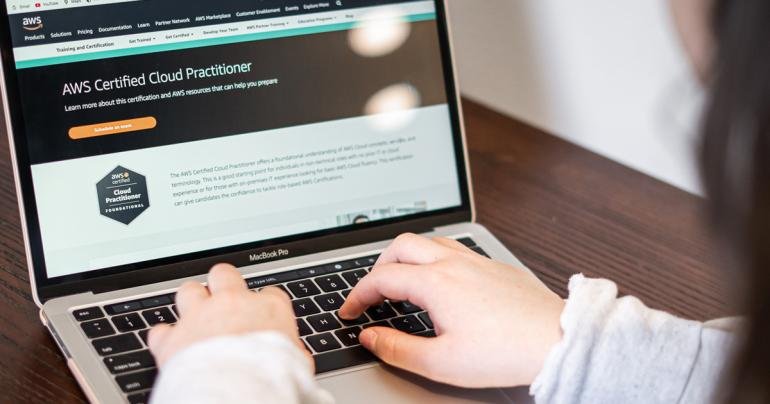
[vc_row][vc_column][vc_column_text]Today, The Continents States University announced its participation in AWS Academy, an Amazon Web Services (AWS) program that provides higher education institutions with a ready-to-teach cloud computing curriculum. Students can enroll in courses that will prepare them to pursue careers in the fast-growing cloud computing space and industry-recognized AWS Certifications.

The Continents States University provides interactive and innovative teaching methods, including hands-on experience, classroom discussions, and online classes. This pedagogy ensures students receive an education that is not only engaging but also practical. Further, provides a supportive environment for students, offering services such as tutoring, advising and career counseling. This support system can greatly contribute to students’ academic and personal success.

The AWS Academy curriculum is developed and maintained by AWS subject matter experts, ensuring that it reflects current services and up-to-date best practices. Courses are taught by AWS Academy-accredited educators who are trained by AWS to help students become proficient in AWS technology.

“Our students have access to an incredible resource within the AWS Academy curriculum. With its future-oriented approach, career-focused content, and cutting-edge intelligence-supported materials, it equips our students with the knowledge and credentials they need to succeed in today’s rapidly evolving job market — all at no cost. With this curriculum, our students can confidently test the waters of the new world market and succeed in whatever they set their minds to.,” said Dr. Ricky Madison, President. The rapid rise of computing is creating a growing number of high-quality jobs at organizations around the world, and the technical skills that students develop through this program will position them well for their careers today and in the future.[/vc_column_text][/vc_column][/vc_row]


Related Posts
Distance Education

Are Online Master’s Degrees Credible Like Traditional Ones?

The rise of online education has sparked questions about the legitimacy of online master’s degrees. As digital learning reshapes higher education, understanding the value and acceptance of these programs is crucial for making informed decisions about your academic and professional future. Online vs. Traditional Master’s Degrees: Key Differences Online master’s degrees offer flexibility, allowing you to complete coursework and interact with professors and peers through digital platforms. These programs are ideal for working professionals balancing education with other commitments. Traditional master’s degrees, on the other hand, require physical attendance on campus, providing face-to-face interactions, immediate feedback, and access to on-campus resources like libraries and networking events. Employer and Student Perceptions Employer attitudes toward online degrees have shifted significantly. Most hiring managers now prioritize the accreditation and reputation of the institution over the delivery method. Skills and knowledge matter more than how the degree was earned. Similarly, students increasingly view online programs as practical pathways to career advancement, appreciating their flexibility and accessibility. Accreditation and Quality of Education Accreditation is critical for both online and traditional programs. Legitimate online master’s degrees undergo the same rigorous accreditation standards as traditional programs, ensuring quality education. Research shows that online degrees can match or exceed traditional ones in academic rigor and learning outcomes, especially as universities invest in advanced digital learning platforms. Career Opportunities and Challenges Graduates of online master’s programs are well-regarded in the job market, with employers valuing the self-discipline and time management skills developed through online learning. Traditional degrees offer strong alumni networks and in-person networking opportunities, which can be advantageous in certain industries. However, online learning comes with challenges like self-motivation and technical issues, while traditional programs may require rigid schedules and higher costs. Conclusion Online master’s degrees are increasingly credible and widely accepted, especially from accredited institutions. Whether you choose an online or traditional program, your success depends on your dedication and the quality of the program. Consider how an online master’s degree aligns with your goals, offering the flexibility needed in today’s fast-paced world.

Read More
AFP

How To Optimize Your LinkedIn Profile For AFP Networking Opportunities

LinkedIn is a powerful tool for Association for Financial Professionals (AFP) members, but many profiles fall short of their potential. By optimizing your profile, you can transform it into a networking powerhouse that attracts the right connections, highlights your financial expertise, and positions you as a standout in the AFP community. Whether you’re a treasury veteran or new to finance, these strategies will help you shine. Craft a Strong Professional Brand Start by defining your unique value proposition. Identify your core strengths, such as treasury management, risk assessment, or corporate financial planning, and highlight measurable achievements. Use these insights to craft a compelling headline that goes beyond your job title. For example, instead of “Treasury Manager,” try “Treasury Operations Leader | Cash Management Specialist | AFP Member Driving Working Capital Optimization.” Incorporate AFP certifications like CTP or FP&A to boost credibility. Optimize Your Profile for Visibility Choose a professional, high-resolution profile picture that reflects your industry standards. Write a powerful summary that tells your AFP story, focusing on your unique value and career goals. Use industry-specific keywords like “financial planning,” “treasury management,” and “risk assessment” to improve searchability. Break your summary into scannable sections and include a clear call-to-action to encourage connections. Build and Engage Your Network Identify key connections by targeting AFP members, certified professionals, and industry leaders. Use LinkedIn’s advanced search to filter by industry, location, and AFP-related keywords. Engage with others’ content by leaving thoughtful comments on posts about treasury management, financial planning, and AFP trends. Join AFP-focused LinkedIn groups and participate in discussions to establish yourself as an active community member. Showcase Your Expertise Publish articles on LinkedIn about AFP-related topics like financial planning strategies, regulatory changes, or emerging technologies. Aim for consistency—post at least one article every two weeks. Participate in LinkedIn groups by sharing insights, asking questions, and initiating discussions. Request recommendations from colleagues and supervisors to highlight your AFP-related skills and achievements. Stay Active and Visible Post regular updates about industry news, market insights, and personal achievements. Use hashtags like #AFP, #FinancialPlanning, and #WealthManagement to expand your reach. Engage with others’ posts by sharing thoughtful comments and adding value to discussions. Consistent activity will keep you visible and help you build meaningful connections within the AFP community. By following these strategies, you’ll create a LinkedIn profile that not only stands out but also opens doors to new opportunities in the AFP network. Keep refining your profile as your career evolves, and watch your professional network grow.

Read More