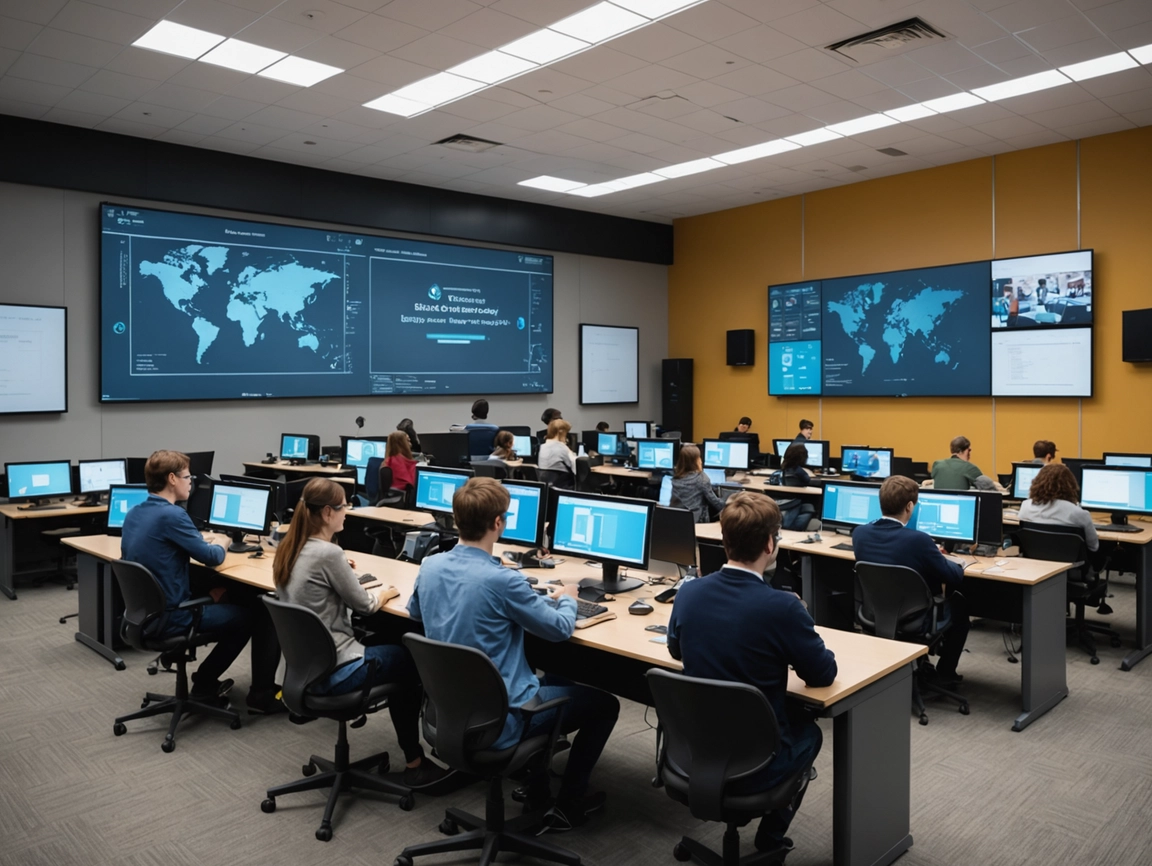

Did you know that over 6.3 million students were enrolled in online degree programs in the United States as of 2019? Whether you’re an undergraduate, graduate, or transfer student, you have multiple options when it comes to pursuing your degree. Not only are there hundreds of majors, minors, and concentrations to choose from — there are also different ways to pursue your degree, like going to class in person vs. taking courses online. This guide will compare the advantages and drawbacks of both options so that you can make a more confident decision about which type of program is right for you. The article will explore topics such as the benefits of online education, the advantages of traditional on-campus programs, and considerations for attending college online or on-campus. Ultimately, the choice between an online or in-person degree program will depend on your educational goals, lifestyle, and personal preferences.
Key Takeaways
- Online degree programs offer unparalleled flexibility and convenience, allowing you to study on your own schedule.
- Online education is generally more cost-effective than traditional, on-campus programs, with savings on tuition, housing, and commuting costs.
- Online courses enable you to build a global professional network and connect with peers, instructors, and industry experts across the world.
- On-campus degree programs provide a focused, distraction-free learning environment to help you stay engaged and productive.
- Hands-on learning opportunities in a physical, laboratory-based setting are important for certain disciplines and may be more difficult to replicate online.
Advantages of Online Degree Programs
Online degree programs offer unparalleled flexibility and convenience for students. Whether you’re a night owl or a morning person, online classes allow you to log in and complete your work anywhere, anytime — all in your favorite pair of pajamas. This self-paced learning format enables you to study on your schedule, without the need for a stressful, time-wasting commute. Online education is ideal for anyone with a hectic or unpredictable calendar, from stay-at-home parents to busy freelancers. Many students attend online college while working full-time, building an education around their routine without having to give up family time or cut their hours at work.
Cost-Effectiveness
Online degree programs are generally more cost-effective than traditional, on-campus programs. Online students don’t have to pay for student housing, gas for commuting, or on-campus meal programs. This can translate to substantial savings, which is a major perk for cost-conscious students. According to a survey by Duffin, 60% of graduates and 46% of undergraduates consider affordability as the primary reason to pursue an online degree. With the ability to save money on tuition, relocation costs, and fees, online programs make higher education more accessible and attainable.
Global Networking Opportunities
Online courses let you interact with students in remote locations all over the world. This could lead to professional opportunities you might not be exposed to in a traditional classroom setting. The diverse student body and global reach of online programs make it easy to build a professional network that extends beyond your local area. Online students have the chance to connect with peers, instructors, and industry experts from across the country or even internationally, expanding their horizons and unlocking new career possibilities.

Comparing Online and On-Campus Degree Programs
A successful education demands focus and concentration. On-campus degree programs create tightly focused, distraction-free learning environments with all the tools and space you need, so that you can dedicate yourself to the lesson — not to that annoying car alarm, barking dog, or ringing phone in the background. The dedicated, on-campus setting helps students remain engaged and minimizes the distractions that can hinder productivity and learning in an online environment.
Focused Learning Environment
Classrooms, laboratories, and lecture halls provide a focused learning environment that allows you to fully immerse yourself in your studies. The dedicated, on-campus setting with a distraction-free, study-friendly atmosphere can help you stay engaged and productive, unlike the potential distractions of an online learning environment.
Hands-On Learning Opportunities
Not every student learns the same way. Some people are visual learners, some people like to take detailed notes, and some people learn best from first-hand experience. Additionally, there are some disciplines that require hands-on experience, such as learning how to repair a machine or perform a medical procedure. If direct, hands-on learning opportunities are important to you, an on-campus degree program might make the better fit. The in-person, laboratory-based setting allows you to gain practical, applied skills that may be more difficult to replicate in an online environment.

Conclusion
The choice between taking an online degree program or sitting in a traditional on-campus degree program may not be an easy one, even after reviewing the pros and cons of both. Ultimately, it will depend on the flexibility that you need, the financial options that you have, and the time you have available for school. If you have a busy lifestyle, then an online program will allow you to obtain your degree at a pace that works with the other aspects of your life.
However, if you learn best in a focused, hands-on environment and prioritize building in-person connections, an on-campus degree program may be the better fit. It’s important to carefully consider your educational goals and lifestyle when deciding between online and on-campus degree programs.
The decision should be based on a thorough evaluation of your personal needs, preferences, and the specific offerings of each program. By weighing the unique advantages and disadvantages, you can make an informed choice that aligns with your academic aspirations and lifestyle requirements.